Art therapy is the process of understanding your deep-seated emotions through the process of art. It focuses on creating artwork that would help your therapist decipher your deep-rooted emotions and thought processes, specifically those that cannot be explained verbally. Studies show that color choices in art can reduce anxiety by up to 86% in some participants, offering a gentle way to explore feelings without pressure.
Colors enhance emotions and they can act like a gateway to deeper insights.”
– Cornelia Elbrecht, Sensorimotor Art Therapy Institute
This therapy can be used to bring out emotions associated with PTSD,depression, suicidal thoughts, stress, anxiety, etc. Painting or sculpting involves colors. The use of different colors in art therapy can provide a huge insight into the person’s deeper emotions and thought processes.
Art therapy can have many different forms. It can be done in the form of sculpting, painting, drawing, coloring, sewing etc. However, for this post, I will specifically focus on the use of different colors in art therapy and what is the significance of each of them.
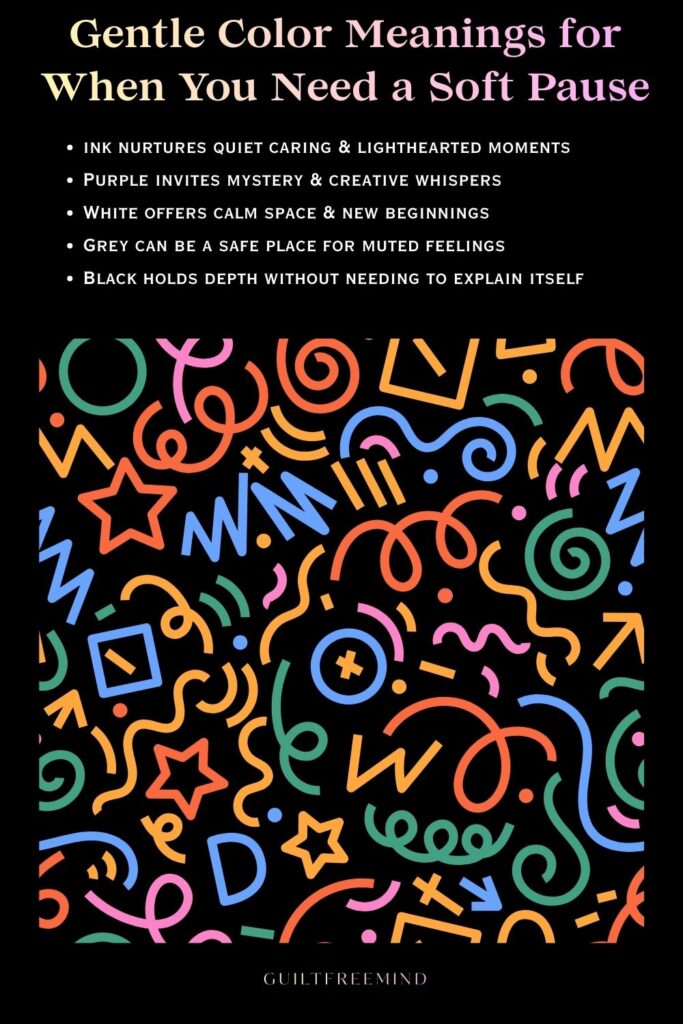
It’s okay if it feels big — you’re allowed to feel it
Orange
Optimism, motivation, warmth
Balanced enthusiasm & connection
A softer glow — no need to push
Yellow
Joy, cheerfulness, brightness
Gentle mood lift & clarity
Even a small spark counts
Green
Balance, harmony, growth
Renewal & grounding
A quiet place to rest & breathe
Blue
Calm, trust, wisdom
Quiet reflection & easing tension
Permission to pause & feel steady
Purple
Creativity, mystery, spirituality
Introspective self-expression
Space for wonder without answers
Pink
Gentleness, caring, lightheartedness
Nurturing quiet feelings
Softness is strength too
Grey
Neutrality, muted emotions
Safe holding for low-energy days
You’re not broken when things feel dull
Black
Depth, grief, mystery
Exploring what feels heavy or hidden
Darkness can be a gentle container
White
Purity, calm, new beginnings
Balance & quiet pause
A fresh breath whenever you’re ready
A Gentle Color Check-In: Which Hue Feels Closest Today?
Sometimes words feel too far away, but a color can quietly arrive and say something true. This is not a test, not a diagnosis, not something you “have to get right.” It’s just a small, private moment to notice what hue might be whispering to you right now.
Only 4 gentle questions. 3 soft choices each. Takes less than a minute. You can stop anytime — or skip entirely. No score to chase, no answer to judge. Just gentle curiosity, if it feels kind today.
Time's up
Introduction to Color Therapy
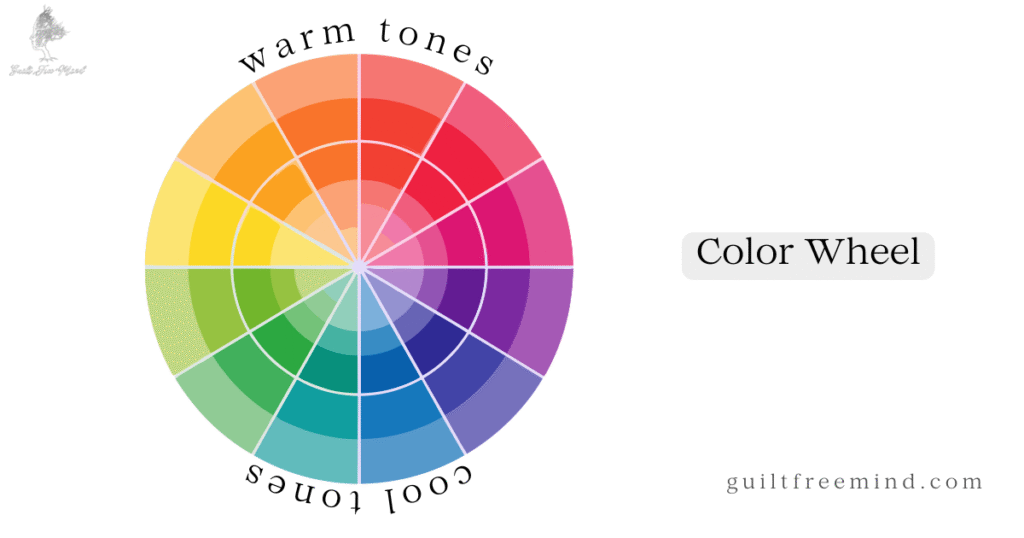
The color wheel divides into primary (red, yellow, blue), secondary, and tertiary colors, with warm tones (reds, oranges) bringing energy and cool ones (blues, greens) offering calm—much like your emotions ebb and flow. This foundation helps in therapy by creating balance, as warm colors advance and cool recede visually. Coloring therapy reduces anxiety in GAD patients more effectively than conventional methods alone (p < .05).
Colors of emotions
Emotions are not visual, thus it’s very difficult to associate a specific color with a specific emotion. The color of emotions may change according to a person’s culture, thus there is no universal description of which color signifies what emotion. For instance, while red might evoke passion in Western contexts, in China it symbolizes good luck and prosperity, influencing how emotions are expressed in therapy across cultures. Research indicates that viewing blue can lower blood pressure and reduce stress by accelerating relaxation post-stress, making it a supportive tool for emotional balance.
People also tend to associate a specific color with a specific emotion or feeling. Thus, to understand the significance of emotions, I will be using universal descriptions. You can use this list to understand the colors you work with or you can also use your own color associations to understand what you’re feeling and what you are painting. Building on this, let’s explore how colors connect to emotions in a way that feels personal.
Color Meanings in Art Therapy for Anxiety
If anxiety feels like a constant hum in the background, it makes sense that certain colors might surface in your artwork as a quiet way to acknowledge it—without needing words. Research gently points to how colors can mirror or soothe anxious states; for instance, studies show that engaging with cool tones like blue can lower stress responses, potentially reducing anxiety symptoms in structured activities. Here’s how some colors often connect to anxiety in art therapy, based on common associations—remember, your personal meanings matter most, and it’s valid if they differ.
Blue and Green for Grounding
These cool colors often represent calmness and balance, which can feel supportive when anxiety spikes. Blue might evoke a sense of stability amid racing thoughts, while green could symbolize renewal without overwhelm. One study found that viewing green hues promotes well-being in 89% of youth experiencing stress, offering a subtle anchor.
Yellow and Orange for Subtle Energy
Warmer tones like yellow (optimism) or orange (motivation) might appear when anxiety ties to avoidance or low motivation, but in muted shades, they can gently invite clarity. Avoid forcing vibrancy if it feels agitating—it’s okay to start small.
Grey and Black for Overwhelm
Neutral or dark colors like grey (numbness) or black (isolation) may reflect anxiety’s fog, validating that feeling “stuck” is a common experience. In therapy, these can open space for processing without judgment.
This isn’t about decoding perfectly—it’s a gentle lens if exploring colors helps you feel less alone. If anxiety feels heavy, pairing this with professional guidance can make the process feel safer.
Significance of different colors in art therapy
Let’s focus on the importance of different colors in art therapy:
Grey
Grey is one of the neutral colors in art therapy. It has been known to be the color of dullness or neutrality. It also signifies numbness or apathy. In some cultures, grey evokes indifference or boredom, but in therapy, it can represent a safe space for muted emotions, helping those with depressionfeel seen without overwhelm. Grey as a color is neither wrong nor is it right. It is more neutral than white. It usually signifies indecisiveness or that the person is afraid to choose a specific side. It may also signify that the person is scared and feeling invisible. Gray is also used as a symbol of depression as it signifies constant and continuous tiredness or sorrow. When all the colors are muted, you reach the color gray. So grey can also signify muted emotions or emotions which have been forced towards the back. The person using different shades of grey may not be feeling anything at all. The above-mentioned observation is to be used when the entire artwork comprises of gray shades.
However, if gray is used with other vibrant colors like red yellow etc., it signifies rationality as well as stability.
Black can be considered as the color of mystery or sorrow. Out of all the colors in art therapy, black is the one color that encompasses in itself all of the darkest feelings like sorrow, despair, or grief. Culturally, black signifies mourning in Western societies but power and grief in others; in art therapy, it aids in processing isolation gently. The reason why black signifies all these feelings is because as color, black cannot become any darker. Similarly, these emotions of sorrow or grief cannot increase. Black signifies a void in which the person feels that they are stuck in and are unable to come up to the surface. Black is also used to depict emotions one might be ashamed of or ones that the person does not wish to acknowledge. Black is the color of isolation and domination.
“Although the therapist should consider the common meanings–blue for sadness, red for anger, black for depression or grief–there may be many other factors at play for an individual.”
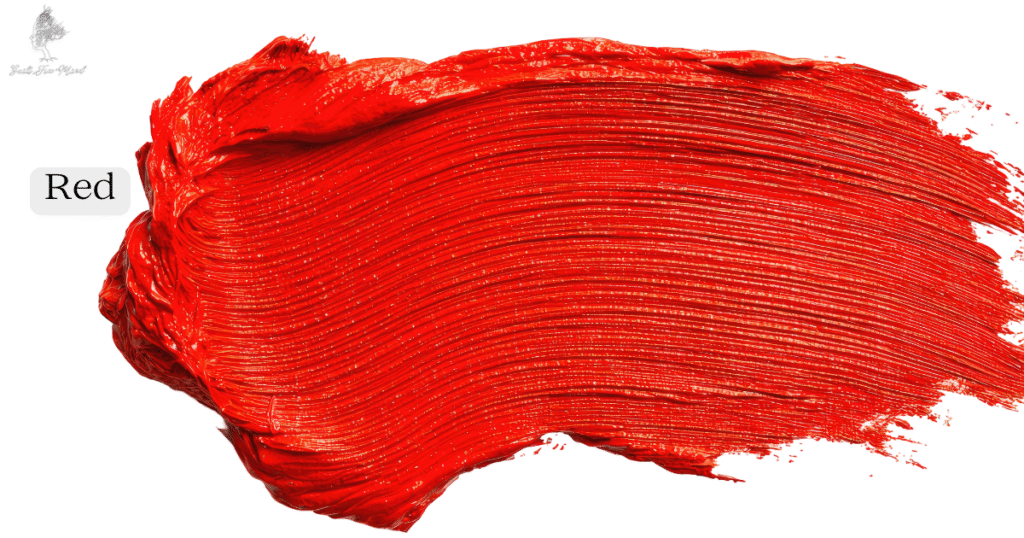
Red signifies ambition, energy, passion. Of all colors in art therapy, red is an indicator of love and desire. In Chinese culture, red represents good luck in weddings, contrasting Western associations with anger; therapy techniques like color meditation use red to channel energy without judgment.Studies show red can increase heart rate, but in structured coloring, it reduces PTSD anxiety in veterans. Red is indicative of fierce feelings that are overwhelming and completely guiding the person towards the goal which is more important than anything else be it love or anger.
Orange
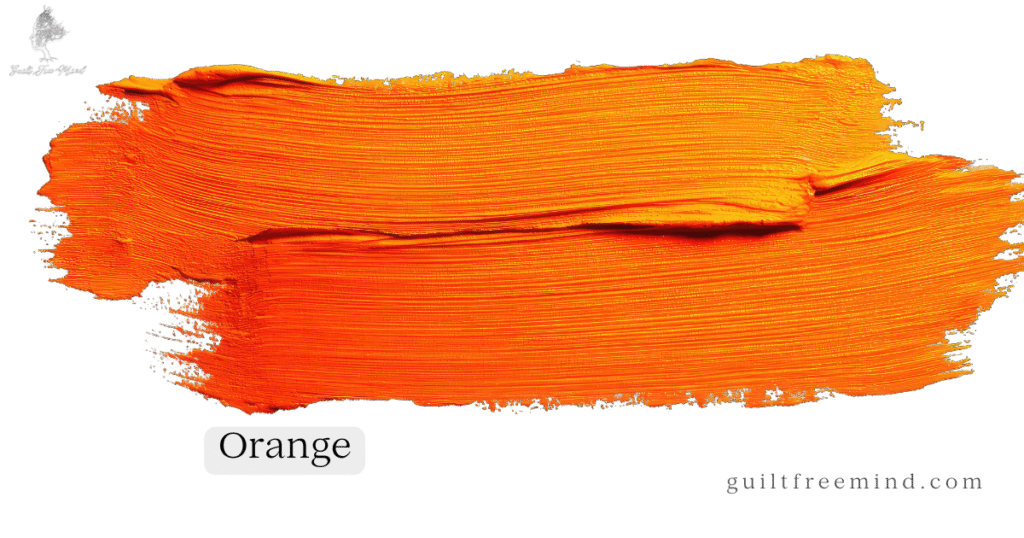
Orange is considered as the calmer version of red. It signifies more rational thoughts. Orange can be indicative of optimism or joy. It is also indicative of motivation but without the overwhelming feeling which comes with red. Orange indicates social activities, cooperation, teamwork as well as extraordinary behavior. Orange may also be indicative of reckless as well as instinctive behavior. Common in food visuals across many cultures, orange often evokes hunger and appetite, making it a gentle tool in therapy to explore cravings or emotional nourishment without judgment—this can feel supportive for those processing optimism in a balanced way.
Brown
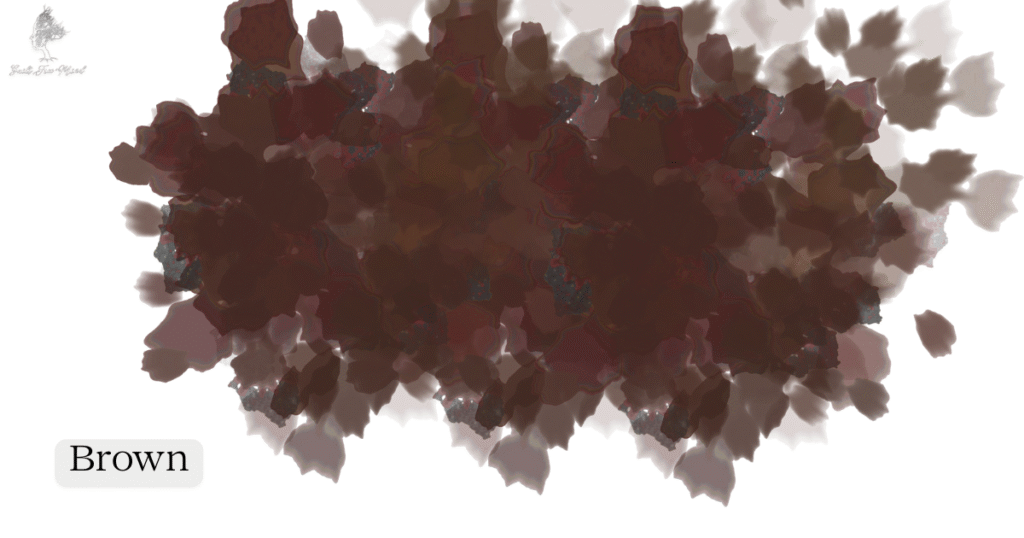
Brown is the color of the Earth. Of all the colors in art therapy, this one signifies a down to earth persona. Brown, just like the forest floor, is indicative of stability, conservatism, reliability as well as permanence. Since it is the color of the ever-present dirt, humans mostly used this color as one of the primary colors. Brown may also be indicative of foulness or dirtiness. In Western views, brown symbolizes stability and grounding, while in some societies it represents mourning or humility; in art therapy, it can provide a safe, earthy anchor for emotions, helping you feel rooted without pressure.
White is a color that is present in every artwork and painting. It is indicative of perfection, purity, light, spirituality as well as innocence. If you look at a white sheet, it is complete on its own. The color white is indicative of confidence and calmness. Any and every color can be neutralized by adding white to it, making those colors look cooler and less overwhelming. Similarly, emotional calmness can also neutralize any other overpowering emotion like anger or sadness. White is also the color of spirituality and enlightenment, a symbol of balance in life as well as amongst the colors. Representing purity in Western cultures, white signifies mourning in China, offering a versatile space in therapy to explore balance and calm—it’s okay if it feels like a fresh start or a quiet pause.
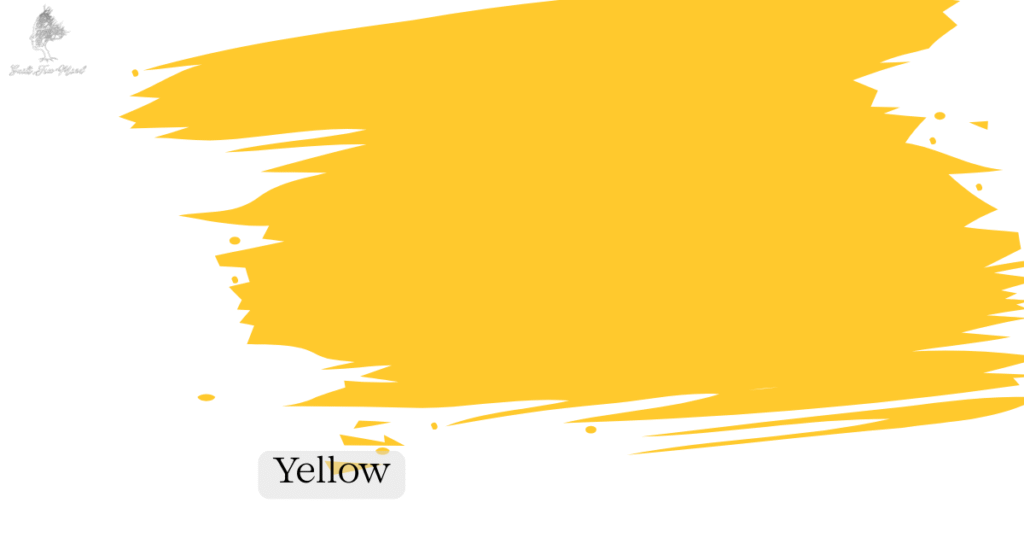
Yellow
The color yellow is the color of enthusiasm, joy, happiness, and cheerfulness. Yellow is the brightest of all colors and symbolizes optimism. The color yellow tends to brighten everything which is placed next to it. However, yellow can also be indicative of cowardice and stubbornness. Stimulating mental activity universally, yellow is often the first color babies see, making it a bright, uplifting choice in therapy to gently boost mood and clarity without overwhelm.
“Color is simply energy, energy made visible. Colors stimulate or inhibit the functioning of different parts of our body.”
– John Ott (from Goodreads quotes on color therapy)
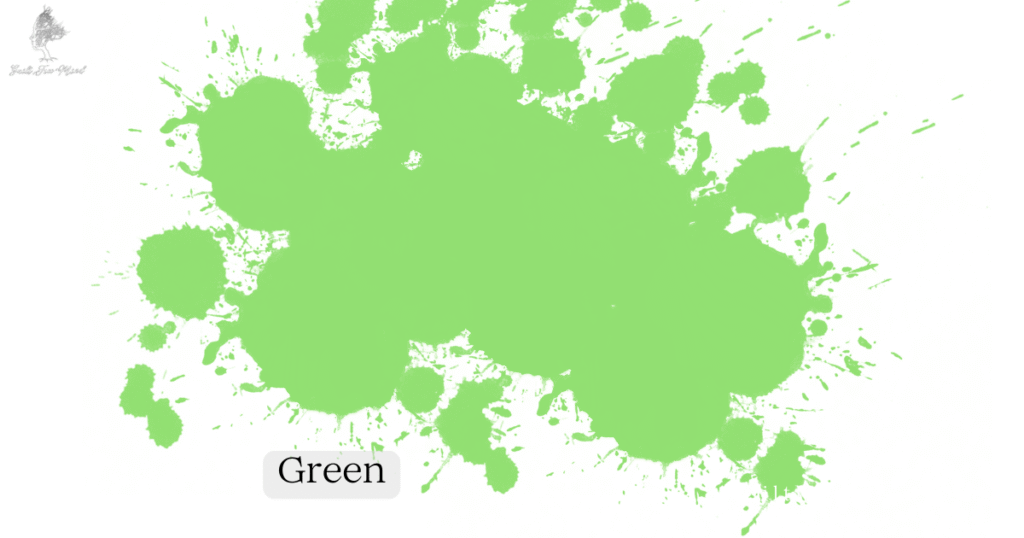
Green
Green signifies spirit, youthfulness, and hope. Out of all the colors in art therapy, green symbolizes safety, balance, and calmness. Green is also the color of life in general. It is also indicative that things have been done in the right way. Green implicates peace as well as harmony. On the contrary, green can also harbor negative emotions like spite, jealousy as well as maliciousness. Symbolizing growth in most cultures but envy in the West, green is used in therapy for balance and renewal, providing a soft space to explore harmony in your own time. Green relieves stress, with 89% of youth finding it effective for well-being.
Blue
Amongst all the colors in art therapy, blue is the color of stability, wisdom, rationalism as well as loyalty. It is indicative of trust, calmness, and faith. Blue is the one color that indicates the mind rather than emotions. It follows logic instead of the gut. However, blue can also be associated with feelings of sadness and melancholy. Evoking calm in most cultures but sometimes seen as uncaring, blue supports rational reflection in therapy, helping you navigate emotions logically and gently.
“Colours may calm, excite, arrest, motivate, or even heal. In art they need to be understood and used with both intelligence and intuition.”
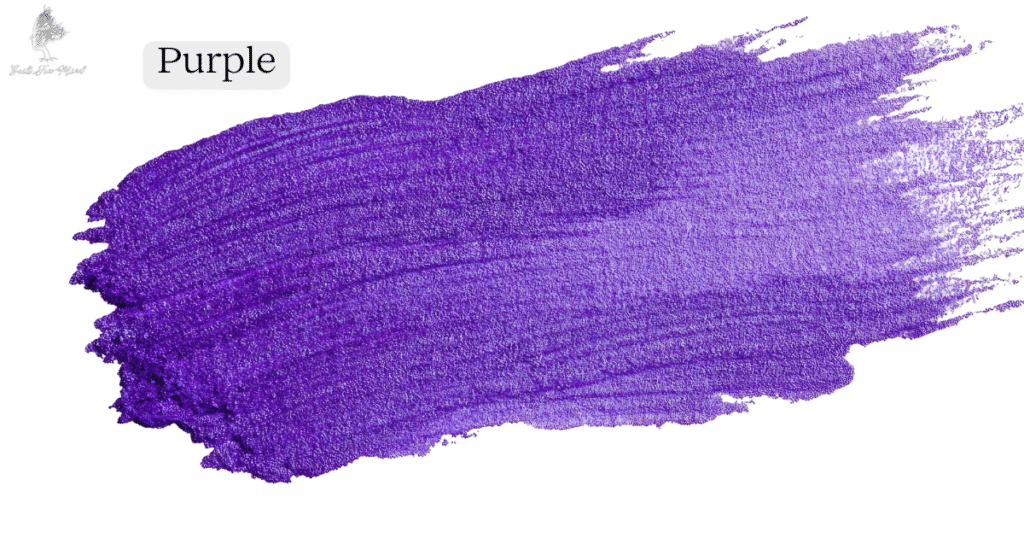
Purple is the symbol of spirituality, creativity as well as independence. It is referred to as the color of magic and mystery. Purple can also signify narcissism, immaturity as well as pride. Associated with royalty and rare in nature, purple encourages creative introspection in therapy, allowing space for mystery and self-expression without expectations.
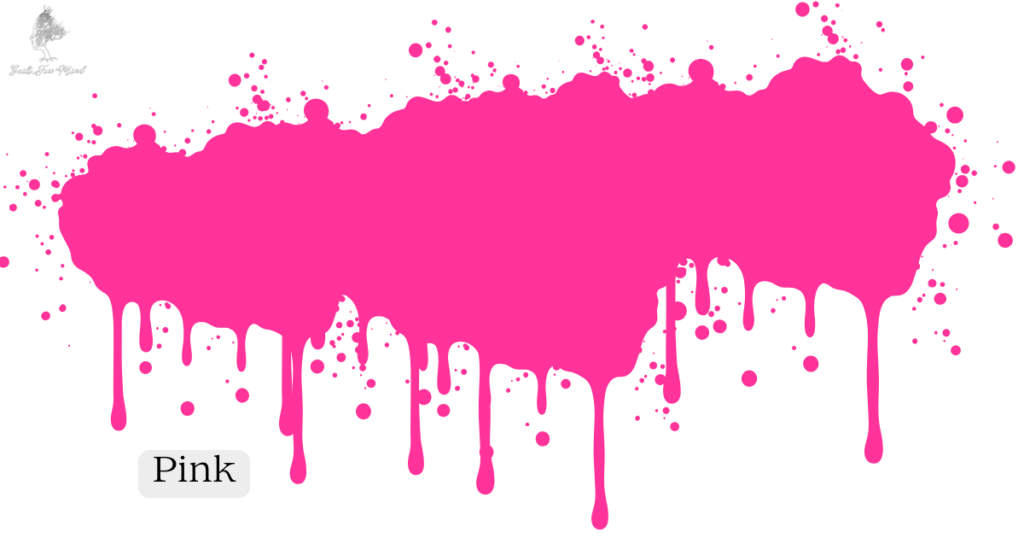
Pink
Pink has been referred to as the color of being silly and immature, lightheartedness as well as recklessness. Pink also signifies femininity, gentleness, caring nature as well as romantic love. Pink can be indicative of the ‘quiet’ feelings as well as a feeling of detachment from reality. Linked to romance in Western cultures and calming universally, pink offers a soft, nurturing vibe in therapy to explore gentleness and care at your own pace.
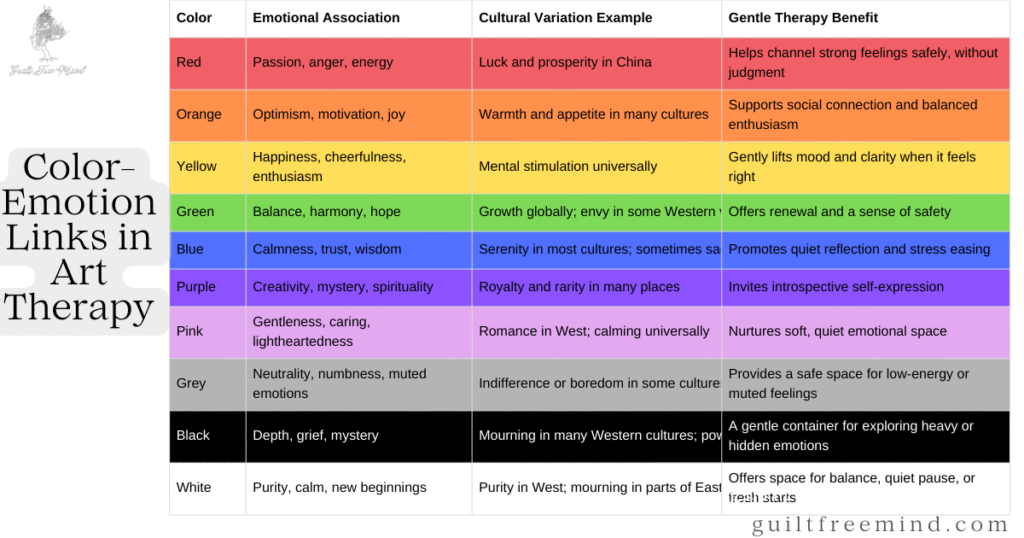
As you must have noticed, emotions tied to colors shift with culture—this makes sense, as our backgrounds shape how we feel seen. For example, white means purity in the West but mourning in China, while green signifies fertility globally but envy in some.
Color-Emotion Links in Art Therapy
Color
Emotional Association
Cultural Variation Example
Therapy Benefit
Red
Passion, Anger, Energy
Luck in China
Energizes but may agitate
Blue
Calmness, Sadness
Serenity in most cultures
Reduces stress, aids sleep
Yellow
Happiness, Optimism
Mental boost universally
Improves mood
Green
Balance, Harmony
Envy in West, growth globally
Promotes renewal
Purple
Creativity, Mystery
Royalty in many
Encourages introspection
Therapy Techniques That Use Colors
Exploring colors in art therapy isn’t about following strict steps; it’s a subtle way to connect with what might be bubbling under the surface, especially if words feel out of reach. Licensed therapists often incorporate these techniques to help process emotions tied to anxiety, depression, PTSD, or stress, drawing on evidence that color-based activities can reduce symptoms gently—for instance, structured coloring has been shown to lower anxiety in veterans by addressing PTSD-related stress. Here are a few common approaches, adapted for understanding rather than self-diagnosis. Remember, these are best guided by a professional if emotions run deep—it’s valid to seek support that aligns with you.
Pin this article for later
Color Journaling
This involves noting daily moods with associated colors, perhaps shading a simple wheel or page. For anxiety, cooler blues might track moments of calm, while warmer oranges could highlight motivation dips. It’s a non-verbal way to notice patterns without judgment, and studies suggest it can enhance emotional awareness over time.
Chromotherapy Integration
Borrowing from light-based therapies, this uses colors in ambient settings during art sessions—like surrounding yourself with green hues for balance. In therapy, it might involve drawing under colored lights to evoke serenity, potentially lowering blood pressure post-stress, as research indicates. For those with depression, neutrals like grey can create a safe space to explore numbness.
Color Meditation
A guided pause where you visualize or paint a color tied to an emotion—e.g., breathing in blue for loyalty amid trust issues from trauma. This technique can feel grounding, with evidence showing it supports relaxation in generalized anxiety disorder more effectively than some traditional methods alone (p < .05)
Mandala Coloring
Filling intricate patterns with intentional colors, where choices reflect subconscious states. For stress, opting for harmonious greens might promote hope, and it’s backed by surveys where 86% of participants reported reduced anxiety through similar activities.
These techniques honor cultural variations too—e.g., incorporating red’s luck in Eastern contexts for optimism. If trying any, start small; if it stirs more than expected, that’s a cue to pause.
How to Use Art Therapy at Home
If venturing into art therapy from your own space appeals to you, that’s understandable—many find it a quiet way to connect with emotions when leaving home feels daunting. No special skills or setups are needed; it’s about what feels accessible right now. Studies suggest home-based coloring can reduce anxiety by up to 41% in some cases, providing a non-verbal outlet.
Start gently: Gather simple supplies like paper, crayons, or even a digital app if physical materials feel overwhelming. Set aside 5-10 minutes in a comfortable spot—perhaps with soft lighting to ease any tension. Choose colors that draw you in, without overthinking; let your hand move freely. Afterward, if it feels right, note what emotions surfaced—this can be as simple as a one-word journal entry.
Alternatives for low-energy days: Use pre-made coloring pages (many free online) or just observe colors around you, like in nature. If it stirs up more than expected, pause and breathe—it’s valid to stop. For those with anxiety, focusing on cool colors first might offer a subtle sense of calm, but listen to what your body says.
Practical Art Therapy Exercises with Colors
If you’re curious about weaving colors into your routine, these exercises are gentle invitations—do them if they resonate, or save for later. They’re drawn from evidence-based practices showing art can ease stress without pressure. Start small, perhaps 5 minutes, and include a reflective pause.
Color Breathing: Choose a color like blue for calm. Inhale while imagining it filling tense areas; exhale releasing grey (worry). No forcing—it’s okay if it shifts mid-way.
Emotion Collage: Gather scraps in colors matching your mood (e.g., green for hope amid anxiety). Arrange without glue first, allowing changes. Reflect: What story emerges?
Daily Color Check-In: Pick one color daily to doodle with, noting associations. For trauma or depression ties, use neutrals if vibrants feel too much.
Blended Shades: Mix colors (e.g., red anxiety with blue calm) to represent mixed emotions—validating complexity.
Pause here: How does this land for you? If it stirs discomfort, that’s information—gentle self-compassion is key.
Color Mapping Tips
If you’re exploring art therapy with children—or perhaps reconnecting with your own inner experiences through a kid-friendly lens—color mapping can feel like a soft, playful way to externalize emotions without needing many words. In art therapy for kids, this technique involves using colors to “map” feelings on simple drawings, like a body outline or emotion wheel, helping little ones (or anyone) notice where anxiety, sadness, or joy might show up. It’s not about getting it “right”; it’s a gentle invitation to feel seen, especially for children navigating stress, neurodivergence, or early trauma echoes—research suggests such activities can subtly support emotional awareness, with coloring reducing anxiety in some young participants.
For kids, keep it light and adaptable:
Start with a basic shape, like a gingerbread person or circle, and let them choose colors freely—blue for “calm tummy,” red for “wiggly energy.” If anxiety feels big, neutrals like grey can create a safe space without overwhelm.
Incorporate play: Use crayons, stickers, or finger paints to make it fun, not structured. For cultural sensitivity, ask what colors mean to them personally—e.g., green for growth in one family, envy in another.
Gentle adaptations: For neurodivergent kids, allow sensory options like textured paper; for those with depression ties, validate if they stick to one color—that’s information, not a “problem.”
In therapy settings, professionals use this to spot patterns compassionately, but at home, it’s about connection—if a child shares, respond with “That makes sense” rather than analysis.
A soft space to build small, sustainable habits that feel kind to your nervous system — breath awareness, gentle movement, restorative rituals, and daily pauses that quietly support long-term emotional softness and presence.
Gentle insights into emotional patterns, reactivity, and self-awareness — ways to notice intense states with compassion, create small distances from overwhelm, and feel a little more held without judgment or rush.
Quiet ways to let expression become a companion — journaling, somatic noticing, mandala work, free-form creation, or any gentle medium that helps process stored feelings, shame echoes, or unspoken grief at your own pace.
Kind approaches to brain fog, procrastination, and scattered attention — simple resets, boundary-setting practices, and calm anchors that help you stay centered without forcing output or self-criticism.
Soft tools for moving through setbacks, rejection, or emotional fatigue — building quiet tolerance for discomfort, rediscovering inner steadiness, and allowing recovery to happen slowly and without pressure.
Immediate, low-pressure companions for heavy days — techniques to lower racing thoughts, ease tension, soften depressive weight, or create a quick physiological reset when everything feels too much.
Conclusion
Colors in art therapy don’t judge. They simply show up — sometimes loud, sometimes whisper-quiet — carrying whatever is ready to be seen in that moment.
There is no “correct” palette, no required emotion, no timeline for healing. Whether you reached for stormy black, soft grey, hopeful green, or a sudden burst of yellow… it all belongs. It all makes sense in your own inner language.
If reading this stirred something gentle — curiosity, recognition, a quiet “oh, that’s what that felt like” — maybe let it rest here for a while. Or, if it feels safe and easy right now, you’re warmly invited to share one small thing below:
What color showed up for you most strongly today?
Which feeling did it carry that surprised you?
Or simply… how does this land for you?
No need for long stories or perfect words — even a single color name is enough. Your voice here is always welcome, never expected.
If you’d like to keep exploring colors in a private, no-pressure way, grab the free Beginner’s Painting Art Therapy Checklist & Starter Guide below. It’s a simple, printable guide with soft reflection questions and the table from this post — just for you, whenever you feel ready.
And if another part of this journey calls to you — whether it’s more about anxiety, trauma, neurodivergence, or quiet creative healing — the rest of Guilt Free Mind is here waiting, no rush. Join our YouTube channel for regular updates.
You’re allowed to move slowly. You’re allowed to pause. You’re allowed to feel exactly what you feel.
Thank you for being here. 💙
Frequently Asked Questions (FAQs)
What does red mean in art therapy?
Red often signifies passion or anger, but culturally it can mean luck; in therapy, it helps release energy safely.
How do colors help with emotional healing?
They provide a non-verbal outlet, reducing stress as studies show.
Can art therapy help with anxiety?
Yes, coloring can lower anxiety by 41% in some cases. (Psychiatry Org)
What colors are best for reducing stress in art therapy?
Cool, soothing tones like blue and green are often associated with calm and restoration in art therapy and color psychology. Blue can evoke a sense of tranquility and stability, sometimes helping lower heart rate or ease tension, while green is linked to balance, nature, and renewal—offering a gentle reminder of harmony when things feel overwhelming. These associations aren’t universal or guaranteed; what feels calming is deeply personal and can shift moment to moment.
How does culture affect color meanings in art therapy?
Color meanings are shaped by culture, personal history, and context, so the same hue can carry very different emotional weight depending on background. For example, white often symbolizes purity and new beginnings in many Western cultures but is associated with mourning in parts of East Asia (like China); black may represent grief or power in the West, while green might signify prosperity in some places and envy or growth in others. In art therapy, this diversity means therapists (and self-explorers) gently consider individual cultural lenses to honor what a color truly evokes for that person—there’s no single “correct” interpretation.
About the Author
Dr. Shruti Bhattacharya is the founder and heart of Guilt Free Mind, where she combines a Ph.D. in Immunology with advanced psychology training to deliver science-backed mental health strategies. Her mission is to empower readers to overcome stress, anxiety, and emotional challenges with practical, evidence-based tools. Dr. Bhattacharya’s unique blend of expertise and empathy shapes her approach to wellness:
Academic & Scientific Rigor – Holding a Ph.D. in Immunology and a Bachelor’s degree in Microbiology, Dr. Bhattacharya brings a deep understanding of the biological foundations of mental health, including the gut-brain connection. Her completion of psychology courses, such as The Psychology of Emotions: An Introduction to Embodied Cognition, from University of Cambridge enhances her ability to bridge science and emotional well-being.
Dedicated Mental Health Advocacy – With over 15 years of experience, Dr. Bhattacharya has supported hundreds of individuals through online platforms and personal guidance, helping them navigate mental health challenges with actionable strategies. Her work has empowered readers to adopt holistic practices, from mindfulness to nutrition, for lasting resilience.
Empathetic Connection to Readers – Known for her compassionate and relatable voice, Dr. Bhattacharya is a trusted guide in mental health, turning complex research into accessible advice. Her personal journey as a trauma survivor fuels her commitment to helping others find calm and confidence.
Lifelong Commitment to Wellness – Dr. Bhattacharya lives the principles she shares, integrating science-based habits like balanced nutrition and stress management into her daily life. Her personal exploration of mental health strategies inspires Guilt Free Mind’s practical, reader-focused content.
Art Therapy Blog. Color psychology: The psychological effects of colors.
Bosomtwe, S., Wang, H., Shi, C., Pan, Y., Yu, Y., Zhu, W., & Jing, Z. (2022). The effects of coloring therapy on patients with generalized anxiety disorder. Animal Models and Experimental Medicine, 5(6), 502–512.
Castle Arts. (2024). Colouring for calm: 97% of customers say it boosts mental health. Castle Arts UK.
Elbrecht, C. (2019). The significance of colour in art therapy. Sensorimotor Art Therapy.
Genn, R. (2021). Colour therapy. The Painter’s Keys.
Hart, J. (2022). Chromotherapy: Color and light therapies may benefit health. Integrative and Complementary Therapies.
Kids First Services. (2025). From hues to healing: The crucial role of color in art therapy. Kids First Services.
Mehlomakulu, C. (2012). Color symbolism in art therapy. Creativity in Therapy.
Ohwovoriole, T. (2025). Color therapy: Definition, types, techniques, and efficacy. Verywell Mind.
Ott, J. N. (1973). Health and light: The extraordinary study of how light affects your health and emotional well-being. Ariel Press. (Original work published 1973)
Pinaffo, I. (2014). Colour therapy-‘the importance of the colour wheel in creating outstanding art’. Ivana Pinaffo Art.
Reed, C. (2018). How color psychology in art works: Part 1. Seaside Art Gallery.
Rodak, J., Alloway, T. P., & Rizzo, M. (2018). PTSD’s true color: Examining the effect of coloring on anxiety, stress, and working memory in veterans. Mental Health & Prevention, 12, 50–54.
Acharjee, K. (2023). The effectiveness of chromotherapy on youth. Journal of Forensic Sciences Research, 7, 049-054.



1 Comment
Thank you for sharing with us, I conceive this website really stands out : D.